
Exploring the historical evolution of gambling practices through the ages
Ancient Origins of Gambling
The history of gambling can be traced back to ancient civilizations where games of chance were integral to social and cultural practices. Archaeological evidence indicates that the earliest forms of gambling may have emerged in China around 2300 BC, with the use of rudimentary dice made from animal bones. Similarly, ancient Egyptians played games involving betting, showcasing that the urge to gamble is a fundamental aspect of human nature. In this context, some players may even enjoy the best online poker experiences available today.
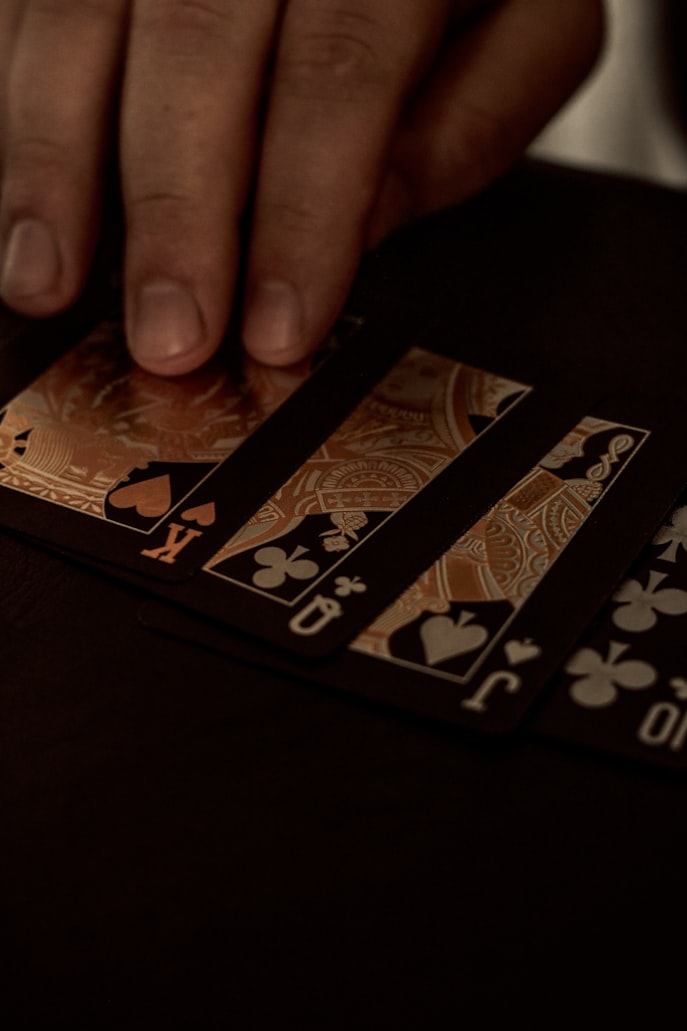
The Sumerians, another early civilization, are believed to have developed board games with betting elements around 3000 BC. These games were often played during religious festivals, highlighting the intertwining of spirituality and chance. This early engagement with gambling laid the foundation for more sophisticated practices that would evolve over the centuries.
The Rise of Gambling in Ancient Rome and Greece
The ancient Romans and Greeks significantly advanced gambling practices, transforming them into popular forms of entertainment. In Rome, various betting games were played, including dice games and chariot races. The Romans even instituted laws to regulate gambling, reflecting its widespread popularity among the populace. This era saw the emergence of organized betting, which paved the way for future gambling establishments.
Similarly, in Greece, gambling was intertwined with sports and competitions, particularly the Olympic Games. Spectators often placed wagers on athletes, demonstrating the social dimension of betting. This period highlighted the role of skill and luck in gambling, as outcomes could hinge on both the competitors’ abilities and the unpredictability of chance.
The Middle Ages and the Birth of Gambling Houses
As society transitioned into the Middle Ages, gambling took on new forms. The establishment of gaming houses became common, providing spaces specifically designed for betting activities. These establishments often operated outside the law, leading to a complicated relationship between gambling and regulation. Despite restrictions, gambling flourished, with card games becoming particularly popular in Europe.
During this period, the advent of playing cards in the 14th century revolutionized gambling practices. Card games introduced a new layer of strategy and skill, contrasting with earlier games of pure chance. The growth of gambling houses in urban centers marked a shift towards a more organized and commercial gambling environment, setting the stage for modern casinos.
The Modern Era: Casinos and Regulation
The 17th century marked the emergence of the first official casinos in Italy, with the establishment of the Ridotto in Venice. This innovation reflected a growing acceptance of gambling as a legitimate form of entertainment. As gambling gained popularity, governments began to regulate the industry, seeking to control the potential for addiction and financial ruin while generating tax revenue.
The evolution of gambling further accelerated in the 19th century with the rise of the industrial revolution. Technological advancements allowed for the proliferation of gaming machines and commercial casinos, making gambling more accessible to the public. This era also saw a significant emphasis on the balance between luck and skill, with various games requiring both, thus attracting a broader audience.

Understanding Gambling Today: The Role of Luck vs. Skill
Today, gambling encompasses a vast array of activities, from traditional casinos to online gaming platforms. The debate surrounding luck versus skill remains central to discussions about gambling. While games like poker and blackjack demand strategic thinking and skill, others, such as slot machines and roulette, are purely based on chance.
This ongoing dialogue reflects changing attitudes towards gambling, with many recognizing it as a form of entertainment rather than merely a means of financial gain. As societal perspectives continue to evolve, the gambling industry adapts, aiming to create a safe and enjoyable environment for players. For those seeking insights into modern gambling practices and investment opportunities, it’s essential to stay informed about the evolving landscape of the industry.